Vendor Transition Planning for Document Extraction Platform Switches
Establish ground truth and run platforms in parallel before switching document vendors.
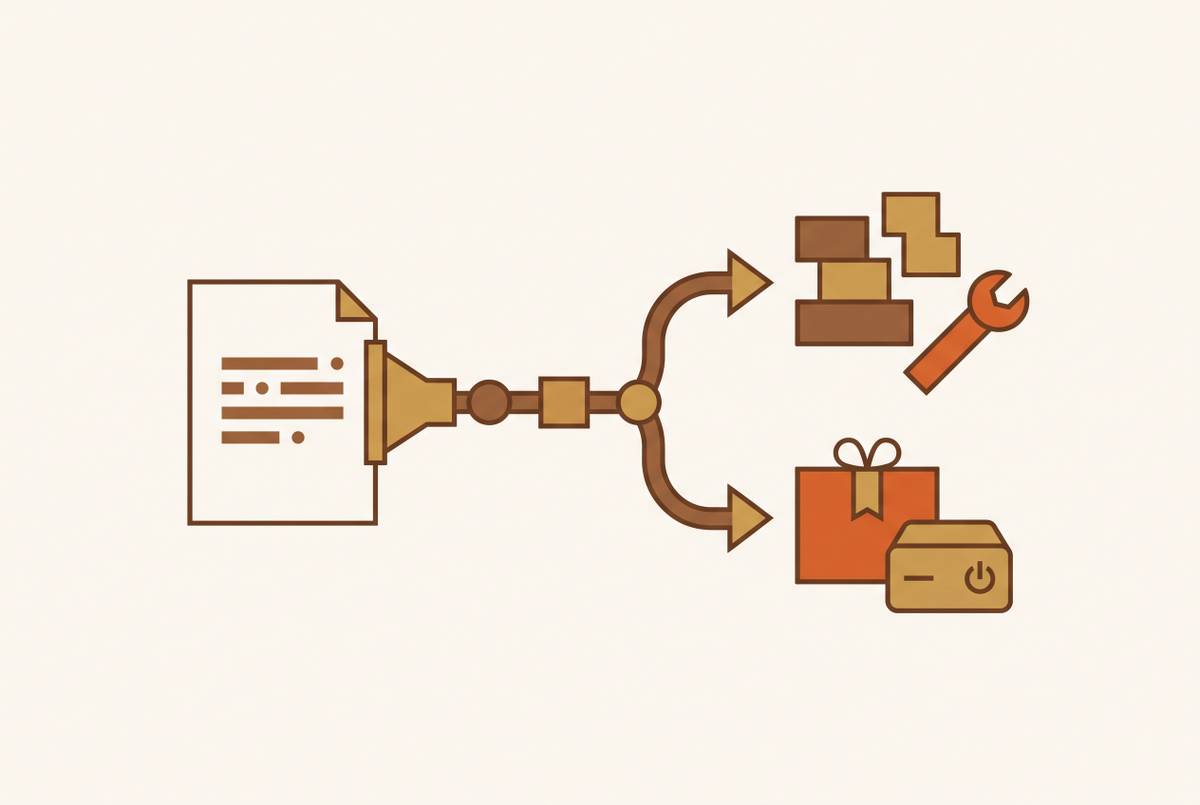
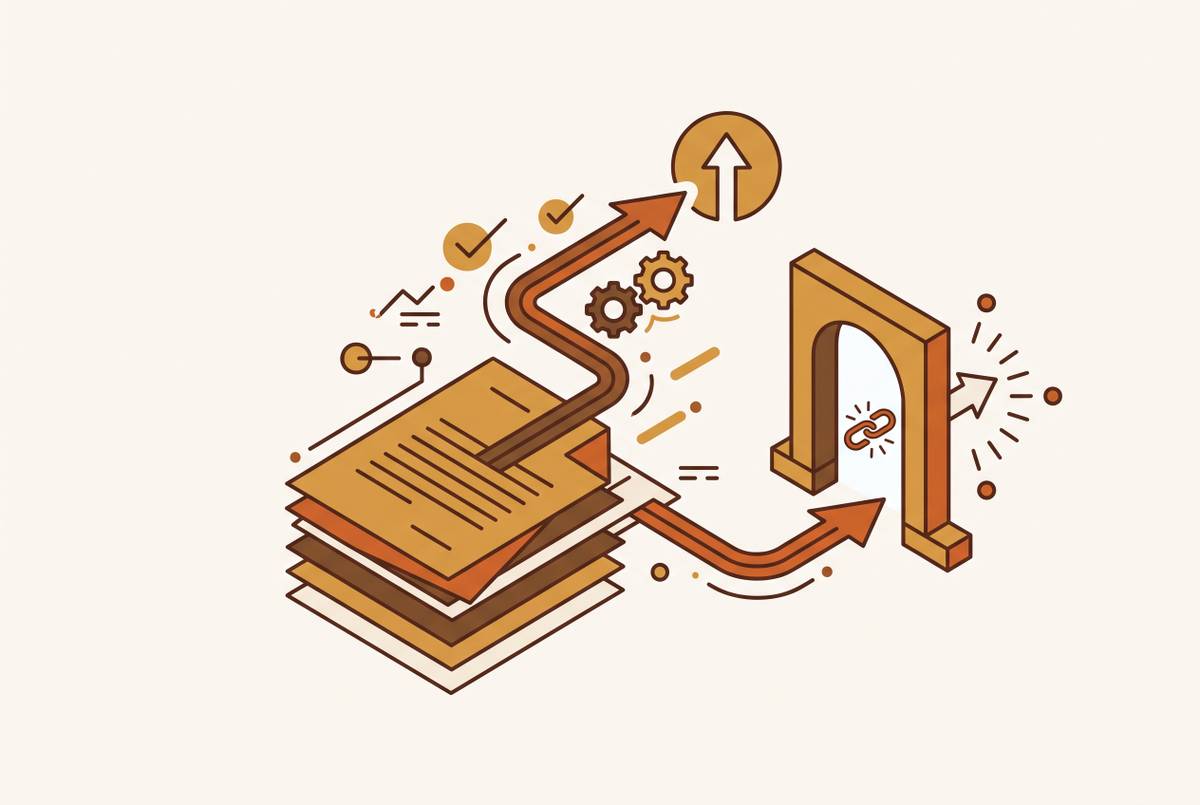
Replacing a document processing platform in a high-volume production pipeline is an engineering migration first. Invofox is a candidate to evaluate against the same production documents, field-level accuracy requirements, and integration checks as any replacement. A safe transition establishes ground truth, tests both platforms in parallel, and sets measurable cutover gates before the new system drives production.
Why teams switch document extraction vendors and what actually triggers the migration
A switch usually begins with a structural mismatch between what a platform handles and what production demands. A template-based or rules-tuned system may struggle when documents vary in ways that a newer platform is built to handle. An OCR layer may be replaced by a system that classifies, extracts, validates, and routes documents as one process. Pricing dissatisfaction may start the conversation, but this mismatch determines the engineering work.
Not every transition is voluntary. A vendor may rename, fold, or end-of-life a product that a team depends on, forcing a move while existing workflows still need to run. Another recurring trigger is production accuracy failure, when a parser that worked in demos degrades on stamped, skewed, mixed-language, or non-standard layouts. If teams lack a field-level baseline for the incumbent, they may find the gap only after go-live. In each case, live integrations, downstream workflows, and compliance obligations move together, making the switch more disruptive than a routine software upgrade.
How do you replace a document extraction vendor without breaking production?
The answer starts with sequencing, because extraction accuracy does not transfer between platforms. The incumbent’s results describe its performance on a particular document mix. Both systems must therefore face the same documents and the same verified answers. If the tests differ, a candidate may look better because its test was easier, even if its extraction was no better.
Confidence scores need their own tests because the same score can go with different error rates on different platforms. Classification logic, field schemas, output formats, and error handling can also change at the API boundary, even when the integration contract looks familiar. Downstream systems need their own checks even when the extraction results are right. Ground-truth validation, parallel-run benchmarking, and integration checks must all precede cutover. If they follow it, the team has already accepted production risk without an objective way to tell whether quality improved or declined.
Building the ground-truth corpus before anything else moves
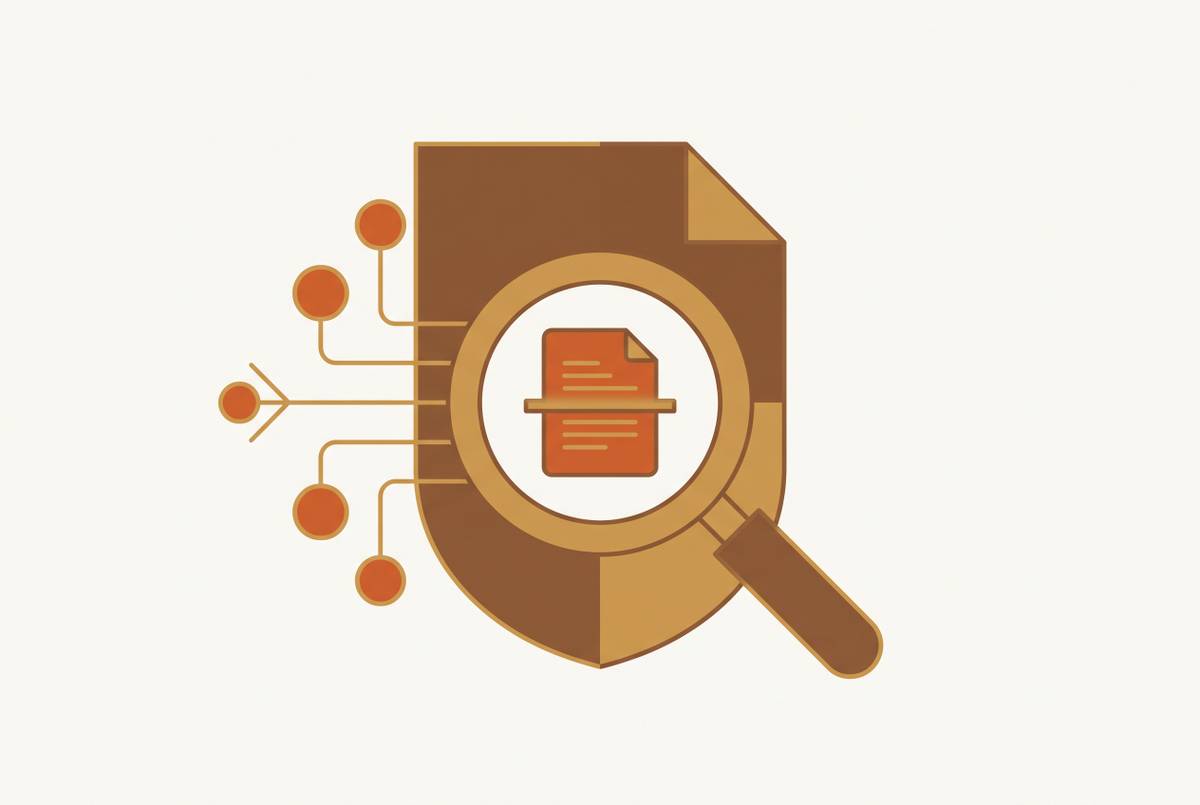
A ground-truth corpus is the fixed reference against which both platforms are measured. Build it from the actual production mix. Include scanned, skewed, stamped, multi-column, mixed-language, and low-resolution documents, including those with handwritten annotations. Cover the range of document subtypes so that common layouts do not make up too much of the test. A few hundred documents spanning the best and worst cases is a workable starting point for most teams.
The answers in that corpus must be manually verified against the source documents. Answers from a model cannot serve as an independent reference for judging another model. Focus the annotation work on fields whose errors carry operational or compliance consequences, including invoice totals, tax identifiers, dates, counterparty names, and amounts. This work is slow, but skipping it leaves the team carrying accuracy risk that vendor benchmarks cannot resolve.
The corpus also records the incumbent’s actual accuracy at the time of transition. That creates an audit trail if a downstream error is later disputed. The same standard should guide how teams choose a vendor, whether it is Invofox or another platform. Require candidates to show their per-field results against this ground truth before cutover, rather than substituting generic benchmarks for evidence about the documents the operation processes.
Measuring field-level accuracy and confidence calibration on the candidate platform
Character-level OCR accuracy does not answer whether an extracted invoice can be used safely. For each field in scope, including invoice_number, vendor_name, line_item_total, tax_amount, and due_date, measure how often the output matches ground truth. Use acceptable tolerances for numeric fields and normalized similarity scoring for strings where appropriate. Treating every field identically can inflate or depress the result. Keep the scores separate, because an aggregate can hide a weaker tax amount behind a stronger vendor name.
Next, test whether confidence predicts correctness. Among extractions above a chosen threshold, measure the actual error rate and compare it with the error rate below that threshold. High-confidence results should be materially more reliable, or the score is not a sound basis for automatic acceptance. Amount fields often get higher confidence because their formatting stays the same, while dates can get lower confidence because their layouts vary. Those tendencies vary by platform and document type, so examine them during calibration.
The deliverables are a per-field accuracy table and a confidence threshold map specific to the production mix. Invofox measures per-field accuracy against ground truth and charges only for correctly extracted pages, illustrating the transparency a transition plan should demand. Contractual protection is a separate question, however, and a vendor unwilling to cover field-level accuracy in an SLA leaves that risk with the customer.
Running platforms in parallel to isolate accuracy differences from integration noise
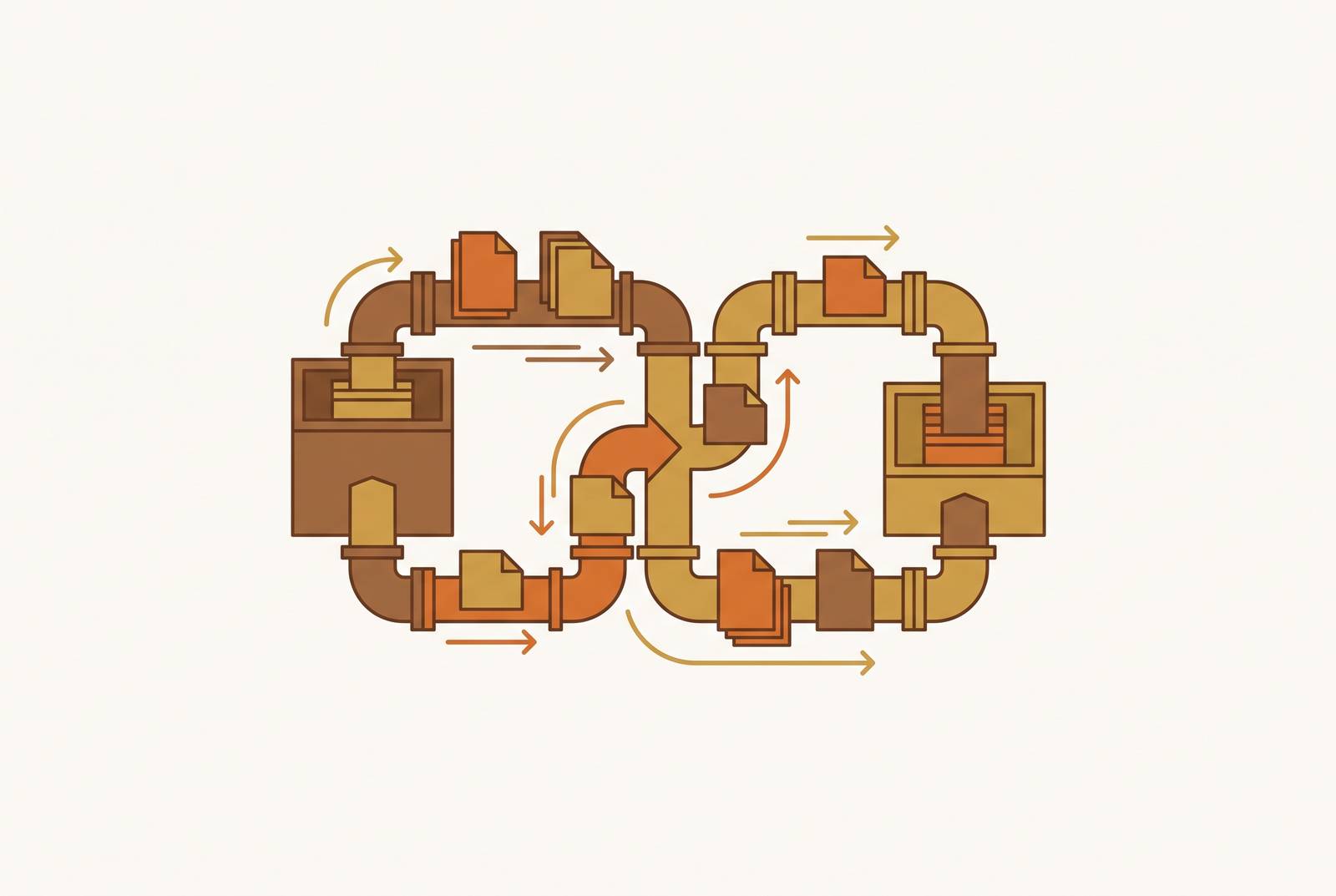
A parallel run separates changes in extraction quality from changes in the integration. Send the same live document stream to both platforms while the incumbent continues to drive production. Capture the candidate’s outputs without letting them trigger downstream actions. Compare those outputs with the incumbent’s results and with verified ground truth. Where the platforms disagree, the source document determines which answer is right.
This live comparison exposes weaknesses that a static corpus may miss. An infrequent document type can reveal a classification error that selects the wrong schema and cascades into field errors. At real volume, differences in latency and throughput are also visible in the parallel run and matter when processing must finish within a set window. The run should therefore span enough time and volume to cover seasonal documents, infrequent suppliers, and end-of-period batches. How long it runs should depend on how much the documents vary as well as the project schedule.
The same window provides a safe environment for integration testing. The candidate’s outputs can go to a shadow version of downstream systems without changing what happens in production. That makes schema mismatches and field-name differences visible before cutover, while keeping them distinct from extraction failures. If both changes arrive together on go-live day, that distinction becomes much harder to make.
Handling data security and compliance continuity during the transition window
A parallel run sends sensitive financial and personal data through two processing environments. That temporary state needs explicit governance rather than an assumption that two sets of certifications provide complete coverage. Under GDPR, a vendor processing personal data on the controller’s behalf is a data processor, and a Data Processing Agreement is required before processing begins. For the candidate, that means before the first parallel-run document. Under SOC 2 CC9.1, the added vendor also needs to be inventoried, assessed for risk, and documented.
Retention needs its own check on both platforms because the incumbent may have changed its policy since the original contract. Keeping documents to improve a model brings rules on residency and deletion that the team must keep track of. For example, Invofox offers optional zero-retention mode for Scale and Enterprise clients, with no documents, extracted data, logs, or processing artifacts retained under that configuration, but it is not the default. Check what regional processing or on-premise requirements apply to both environments before the parallel run starts.
The EU AI Act also requires attention to the actual task. Narrow procedural tasks that handle documents can fall outside high-risk classification even in sectors that are covered. Compliance planning therefore needs to reflect what the extraction system does and how its output is used.
Setting the accuracy baseline and confidence thresholds that govern the cutover decision
Set the cutover gate before the parallel run starts. The candidate must meet or exceed the incumbent’s measured accuracy on every field with operational consequences. Its calibrated confidence thresholds must also support an acceptable share of straight-through processing. The aim is to accept as many documents without review as possible while keeping errors in those documents within what the team can tolerate. That criterion can be agreed with the vendor before testing begins.
Review volume is part of the gate. If the candidate achieves acceptable accuracy only by sending materially more documents to people, its labor cost is higher than the automation model suggests. Compare review queues at thresholds calibrated to comparable error tolerance.
When a field fails the gate, identify whether the cause is a document subtype, a layout variant, or a systematic extraction error. That diagnosis distinguishes a configuration problem from a platform limitation. High confidence on wrong answers instead points to a failure in the confidence signal that requires vendor-level change. An accuracy SLA with a correction mechanism gives the team contractual support for holding the gate. Invofox’s pay-per-page model gives automatic credits for incorrect pages, while only teams that process 1M+ pages per year can get its accuracy SLA and correct-page guarantee.
Managing integration continuity across the cutover boundary
Correct extraction can still fail operationally if downstream systems cannot consume the output. Validate JSON field names, data types, null handling, and nested structures against the receiving ERP, AP, or claims systems. Check document type labels as well, because those labels can select downstream schemas, routes, or validation rules. Minor differences at this boundary can propagate beyond the extraction service.
Routing logic built around the incumbent’s confidence model must be rebuilt for the candidate’s calibrated model. Test what happens when extraction returns a null, a placeholder, a low-confidence value, or an error code. Also validate batch and real-time response patterns, webhook timing, timeouts, and retry behavior. A field that arrives correctly but outside the downstream system’s expected timing can still disrupt processing.
LLM and RAG pipelines inherit upstream extraction errors, so an unnoticed schema change can also degrade their inputs. Use the parallel-run period to validate candidate output against real documents in shadow downstream systems. Then phase the cutover by document type, starting with the highest-confidence, highest-volume, lowest-consequence types. This limits the reach of any integration defect that survived testing without treating the whole production stream as one indivisible release.
Post-cutover monitoring and the correction loop that separates a stable migration from a slow regression
The parallel-run baseline becomes the reference for production monitoring. Measure per-field accuracy on rolling samples of live documents that have been checked against their sources. Track the confidence distribution along with the share of documents above the automatic-acceptance threshold. A falling share can signal document types or conditions that the evaluation corpus did not represent well. A rising review queue at stable thresholds is another early warning, even before aggregate accuracy shows a clear decline.
Field-specific trends matter because layouts and document sources change unevenly. One field may deteriorate while the rest remain stable, making the overall score look reassuring. When a human reviewer corrects an extraction, that correction supplies a training signal drawn from the real production mix. A platform that incorporates those corrections can improve on the documents the operation actually handles. Invofox’s continuous learning model uses human-review corrections on that basis, rather than relying only on a generic benchmark corpus.
Monitoring must last long enough to cover seasonal documents, new suppliers, and regulatory form changes. Until it establishes stable accuracy at or above the pre-cutover baseline, keep the incumbent available as a fallback. Decommissioning is another measurement gate. The migration is complete when accuracy is verified, stable, and improving through a working correction loop.